| Heat safety is a key concern in July, which is often the hottest month in the United States. Heat-related illnesses, including heat exhaustion, heat stroke, and heat cramps, are more likely during this period. Important safety measures include staying hydrated, taking regular breaks in shaded or air-conditioned areas, wearing light-colored and breathable clothing, and watching for early signs of heat illness such as dizziness, nausea, or heavy sweating.
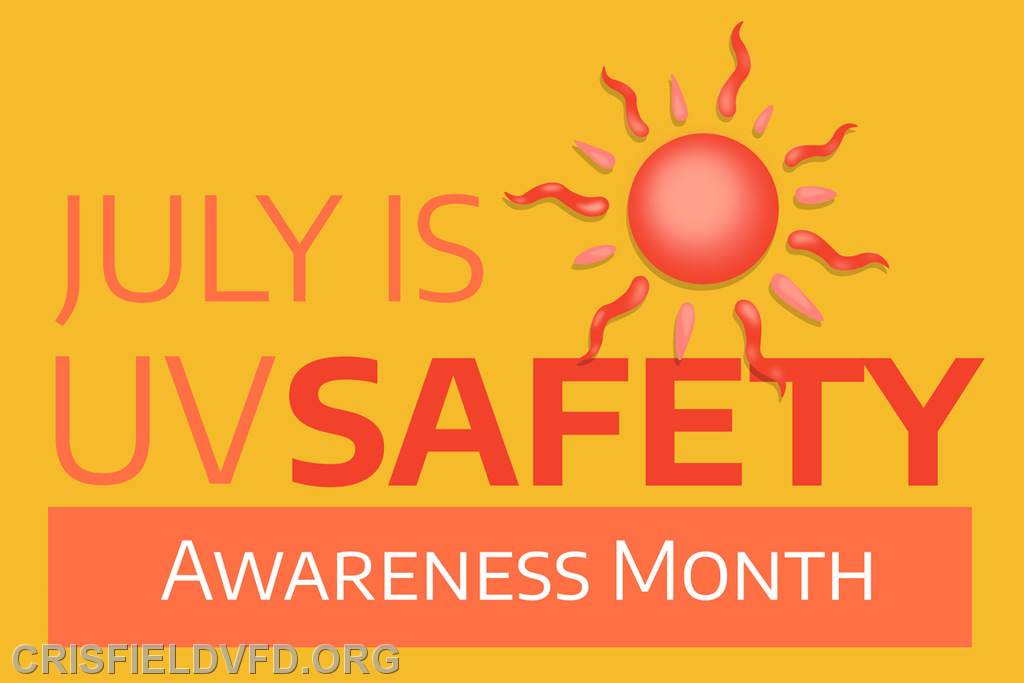
July is also recognized as UV Safety Awareness Month, drawing attention to the dangers of excessive sun exposure. Safety recommendations include applying sunscreen, wearing protective clothing, and limiting time in direct sunlight during peak hours to reduce the risk of sunburn and long-term skin damage.
Fireworks safety and fire prevention become top priorities in July, especially around Independence Day. National Fireworks Safety Month highlights steps for safe fireworks handling and increased awareness of fire hazards in both home and workplace environments.
Workplace and outdoor safety are also important topics this month. For workers exposed to high temperatures or outdoor conditions, safety practices such as using appropriate personal protective equipment, gradually adjusting to hot environments, and being aware of insect-borne diseases are emphasized. Employers are encouraged to provide plenty of drinking water, adjust work and rest schedules as needed, and hold regular safety meetings focused on heat and fire prevention.
July also features additional health and safety observances, including World Hepatitis Day on July 28. This serves as an opportunity to address a wider range of health and safety topics within workplace discussions.
By highlighting these safety themes, July promotes greater awareness, education, and preventive measures for both outdoor activities and workplace settings.
Additional information is provided by the link below
https://blog.oshaonlinecenter.com/july-safety-topics/ |